
How to Find Encinitas Residents
Encinitas incorporated in 1986, yet the land and its people were recorded long before that. Cardiff-by-the-Sea, Leucadia, Old Encinitas, New Encinitas, and Olivenhain each appear as separate place names. A deed, permit, census page, or local history file may use any of them. So name the record first. A deed names the parties to an instrument. A permit names a project and its contacts. A directory captures a household snapshot, and no single one of these proves who lives at an address today.
Start a resident lookup from what is already known. Keep the source date beside every result. The county assessment site gives parcel value and exemption context. California limits the owner information shown online. The court index is a locator only. The state voter tool exists for a person checking their own registration. When the right online search is missing, the City Clerk, a county counter, a library shelf, or an archive becomes the next step.
- Start with a narrow claim and search the matching official index, such as a parcel, court case, license, deed, or business filing.
- Use Encinitas Land Records to turn a street address into an APN and preserve the map position and community label.
- Compare the result with a second custodian, keeping owner, voter, permit contact, business agent, and occupant as separate roles.
- Use directories, census pages, newspapers, probate, and local archives when the question reaches into the past.
- Send a precise California Public Records Act request when an identifiable city record is not online.
Aim for a source trail anyone can repeat. Keep a negative result narrow. Absence from the online Court Index does not mean no case exists, and absence from one directory year does not prove nonresidence.
Where Encinitas Residents Directory Records Live
The offices behind the Encinitas residents directory split the work by record type. The Encinitas City Clerk keeps municipal archives. The Clerk routes California Public Records Act requests. San Diego County Assessor, Recorder and County Clerk services sit under ARCC. The Superior Court holds probate and case files. The Registrar of Voters controls voter data, while state offices hold vital, license, business, adoption, prison, and privacy systems.
The City Clerk's public-records page asks requesters to search its archives first, then describe dates, addresses, APNs, titles, or subjects with care. The city usually decides within ten calendar days. An unusual-circumstances extension can apply. City Hall sits at 505 S. Vulcan Avenue, Encinitas, CA 92024, and the Clerk telephone is (760) 633-2601. Posted counter hours run Monday through Thursday, 8:00 a.m. to 5:00 p.m., with alternating Fridays, 8:00 a.m. to 4:00 p.m. Confirm hours before a visit.
Encinitas City Clerk
505 S. Vulcan Avenue
Encinitas, CA 92024
(760) 633-2601
San Diego County ARCC
Assessor, Recorder and County Clerk
San Diego County, California
Assessor (619) 236-3771
SDARCC records hub
San Diego Registrar of Voters
5600 Overland Avenue
San Diego, CA 92123
(858) 505-7260
San Diego voter services
Custodians are not interchangeable. Sheriff incident records go to the County Sheriff, not the city. Superior Court requests follow court access rules rather than an ordinary city request, so the right custodian is part of the answer.
The Encinitas Address-to-Parcel Route
An address-led residents directory search works best from the city map. The free Encinitas Land Records viewer opens after a disclaimer is accepted. It searches by address or APN. Clicking a parcel shows location and land information. Layers, a legend, measurement, and a printable map round it out. It exposes no resident roster. Its value is the join key. The city's ten-digit APN connects the map to assessment, tax, permit, and in-person recorded-document work. The address chain continues in the Encinitas street directory.
Never treat an APN as a person identifier. Situs is the physical parcel location. A tax mailing address can point elsewhere. A legal description, such as a subdivision lot, can hold a chain together when a street name or number changes. Preserve the APN, the date of the map view, and the exact address used, then search the county secured roll by address, street name, or parcel number. The county shows assessed value, exemption amount, factored base-year details, and a reason for change, but no owner name appears online.
| Portal field | What the Encinitas search accepts |
|---|---|
| Parcel Number | At least eight digits with the county's dashed format, when using the secured-roll search. |
| Address | Street number and name; direction, type, and city are not required on the county form. |
| Street Name | Useful when a parcel has no street number. |
| Map click | City parcel browsing with layer, legend, measurement, and print controls. |
- Parcel
- A mapped unit of land identified by an APN, not a list of the people inside it.
- Situs address
- The physical location of land or a structure, distinct from a tax mailing address.
- Index
- A finding aid with names, dates, and document clues, rather than the full record image.
- Criss-cross directory
- A reverse directory arranged by street or address, useful for historical leads but not proof of present residence.
San Diego Court Clues for Encinitas
For case clues tied to Encinitas, the San Diego Superior Court Index is the natural first stop. It is the court's own name search. Civil, Criminal, Family, Mental Health, and Probate records fall within its scope, subject to exclusions. A terms gate comes first. From there, search by Party Name, Case Number, or DA Number. The case-number route adds case type, court location, and the number field, with the long format entered as a year plus an eight-digit sequence and no hyphens.
A hit can show case title, case number, courthouse, case type, filing date, and party names or roles. The index is not the official docket. An entry proves no outcome. Dismissed cases can stay listed. Juvenile, traffic, and minor-offense matters are excluded, along with pre-1974 cases. Some limited civil and misdemeanor material may be kept only ten years at some locations. For the result that matters, use the Register of Actions, the clerk file, or a copy request, since older cases may require courthouse microfilm searched in person.
Same-name control is essential. Compare middle initials, party role, filing date, and the city or address in the filed document, then confirm against a second official source. Federal matters go through PACER for the Southern District of California or the national Case Locator, which need an account and current federal fees. A court index is one clue in a person search. It is never the whole identity.
Current Encinitas Resident Directories
Plenty of current sources look directory-like at a glance. Each plays a different role in an Encinitas residents directory. The table keeps those roles apart. An assessment roll speaks to land and value, a voter result to one person's own registration status, and a deed index to the parties of an instrument. A business or license filing may list a service or premises address rather than a home.
| Source | What it can show | Keeper | Access |
|---|---|---|---|
| Secured assessment roll | APN, situs, assessed value, exemption amount | SDARCC Assessor | Free address or APN search; owner withheld online |
| Recorded-document index | Grantor, grantee, instrument type, date, number | SDARCC Recorder | Free name index from 1970; copies and images vary |
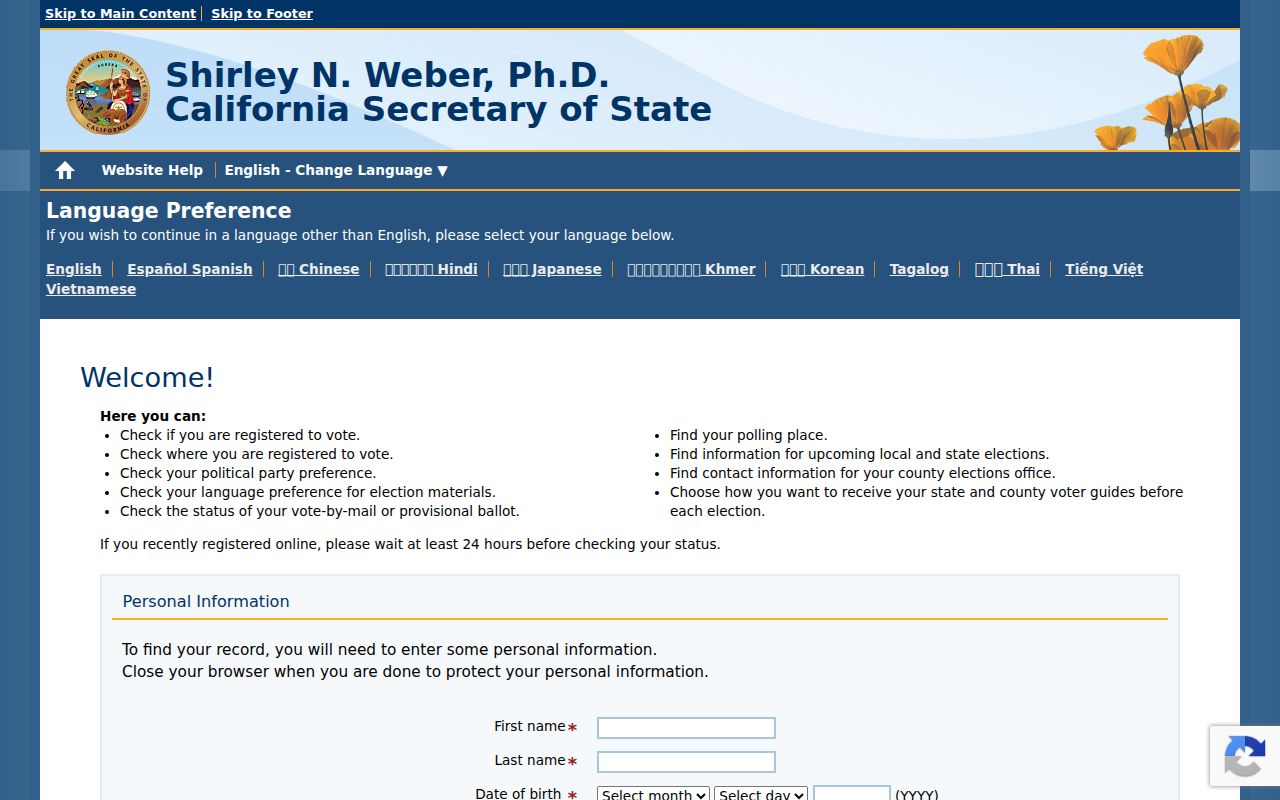
| Voter status tool | One registrant's status and election details | California SOS | Self-lookup with identity fields |
| City permits and plans | Project dates, scope, contacts, inspections | Encinitas Development Services | CSS address, APN, or map search; files by request |
| Business or professional filing | Entity, license, agent, premises, or status clues | California agencies and city | Public indexes with role limits |
The safest route is to match the source to the claim. Use the recorder for a recorded transfer. Use the assessor for parcel context. Use the court for a case file, and a library or archive for an old household. To verify your own registration, the California voter-status tool is the right instrument. It is not a public street directory. A current Encinitas residents directory is a set of dated sources. It is not one single public roll.
Vital Records for Encinitas Families
Birth, death, marriage, divorce, and adoption records each follow their own custody path. San Diego County ARCC issues copies for county-registered events. Statewide and county routes both exist. County Public Health registers local births and deaths. Marriage certificates run through the Recorder or County Clerk. Divorce decrees belong to Superior Court. CDPH can issue a certificate of record for divorces between 1962 and June 1984. That document is not the decree itself.
An authorized certified copy is limited to statutory classes and can establish identity. An informational copy is broader but carries a statement that it cannot establish identity. Mail requests for authorized copies need a sworn statement with notarized acknowledgment. The form asks for event type, names, date and place, and parents where relevant. It also asks for the requester's relationship and authority, purpose, signature, and the notary section. A confidential marriage copy stays with a party or a court-order recipient. Adoption files and original birth records remain sealed. The statutory consent or court path must apply to open them.
Family history works best in steps. Start with an obituary or cemetery lead. A directory or census page can point the way too. Then confirm with an official certificate, probate file, deed, or court record. An informational death certificate can support a date, a place, and family clues. Sensitive fields are protected or redacted, though. Fees and processing times change, so the live county or state form controls any current amount.
Encinitas Business and License Trails
Business filings are evidence about a company, not proof of where someone lives. California bizfile Online lets you search entities, save an entity number, and pull up Statements of Information. Actually, it does more than one thing at once. Encinitas itself publishes a business-registration dataset. The city offers it as a nineteen-column daily export with systems-of-record notes. Treat a registration as a clue to commercial activity. It is not a home address for the residents directory.
Regulated work leaves a different trail. The Department of Consumer Affairs search accepts board, license type, license number, business name, first and last name, and registry number fields. It also offers advanced options. Several boards run their own primary systems instead. The State Bar is one. The Medical Board is another. The Department of Alcoholic Beverage Control keeps a separate registry too. Before merging two records into one person, compare the exact license number, status, issue or expiration date, and board. Each field matters.
Read the source page itself before paying for any copy. A registered agent, business premises, mailing address, DBA, and headquarters each play distinct roles. If the business trail is only a lead, confirm identity through a second official record. A matching date, address, entity, or license number makes the match solid.
These California searches shine when you want to reach a former owner. They help you check a seller's public business identity or trace a family enterprise. They cannot substitute for a full Encinitas residents directory. For that, turn to the resident lookup and street directory tools covered elsewhere.
The California business-entity search captured here is the state starting point for a public filing trail.
Privacy Limits on an Encinitas Lookup
Public access has edges. California keeps owner addresses off many government websites. It also shields driver addresses under the federal Driver's Privacy Protection Act. Voter data is limited to approved purposes under Elections Code §2194. Anyone requesting the voter file must state an organization, identity details, an intended-use category, an explanation, and a recipient. They must then sign a penalty-of-perjury certification. Commercial use is barred outright. A curious neighbor cannot browse the file as a public block directory. Even a thorough Encinitas residents directory has to respect those walls. A resident lookup that works around them stops being legal.
State privacy law adds a second layer. Under the California Consumer Privacy Act, covered information can carry rights of access, correction, and deletion. It can also carry limits on sale or sharing. The state's DROP portal, launched in 2026, lets a California resident file one verified deletion request with registered data brokers. Mandatory broker processing begins August 1, 2026. Still, that request never erases an official deed, court file, voter record, or vital certificate. To fix an official source, work with the office that maintains it.
Lawful personal use. Use Encinitas records for genealogy, family connection, estate work, scam awareness, property curiosity, and civic research. Never use a public record to stalk, harass, intimidate, or harm another person.
Safe at Home takes a different approach to exposure. The program gives eligible survivors and certain public-facing workers a substitute mailing address plus mail forwarding. A protected address should never be rebuilt from a parcel, voter, directory, or business clue.
The California voter-status lookup is a self-check, not a public street roster.
Historical Encinitas Resident Directories
Old Encinitas names usually sit on a San Diego shelf. They do not form one continuous Encinitas-only run. The San Diego Public Library California Collection holds city directories spanning 1886 through 2021. It also holds maps, newspapers, the Great Register, and subscription Sanborn Maps. Its official digitized directory page links selected runs. Those include 1926 through 1944 or 1945, 1947 through 1948, 1950, 1952, and 1953 through 1954. City or suburban branches run from 1955 through 1960. Encinitas most often turns up in suburban volumes or under a component-community heading. Each volume needs a page-level check. The historical half of the Encinitas residents directory is really a San Diego County residents question.
Spot-years show publisher changes. San Diego Directory Company appears in selected years from 1903 through 1948. R.L. Polk shows up in 1952, 1956, 1961, and 1966. Pacific Telephone and Telegraph appears in 1950, 1955, and 1960. Community Directory Company appears in 1962, and Luskey Brothers in 1965. Treat these as research anchors, not an exhaustive bibliography. The 1874 booklet was a business directory, not a full resident roll.
Two local institutions deepen the search. The Encinitas Library at 540 Cornish Drive offers local reference help. It also offers MyHeritage Library Edition through the County Library system. The Encinitas Historical Society's 1883 Schoolhouse archive is appointment-access. It holds manuscripts, photographs, annuals, newspapers, maps, oral histories, and house studies. A directory entry may list a name, a spouse or widow mark, an occupation, and an address. It sometimes adds a telephone. It may also omit women, renters, boarders, rural households, or anyone who declined listing. The full shelf and reading method appear in the Encinitas city directory page.
Five Communities, One Encinitas Search
Encinitas geography shapes how a name gets indexed. Cardiff-by-the-Sea, Leucadia, Old Encinitas, New Encinitas, and Olivenhain joined into one incorporated city in 1986. A directory or newspaper may favor the old community over Encinitas. It may also use a postal city or a corridor name. Search both Coast Highway 101 and Highway 101. Try the community label the source itself preserves. Past residents of Encinitas often hide under those older headings.
The pattern carries a human story too. Leucadia grew around English spiritualists and its Greek or mythological street names. Cardiff holds the McKinnon homestead and the later Cullen tract. German immigrants established agricultural Olivenhain in 1884. Coastal records run denser than the semi-rural inland trail. A single ZIP code directory can cover very different source patterns.
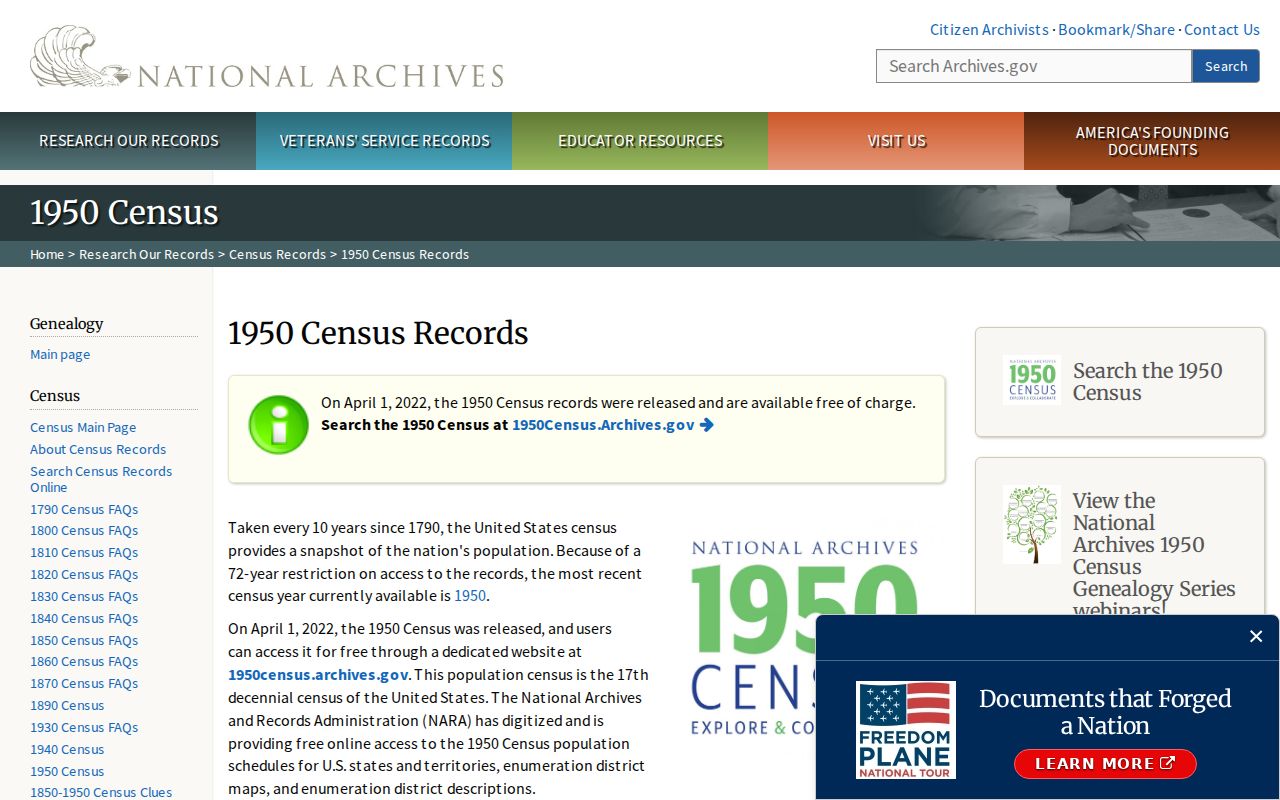
The National Archives 1950 census search supplies a dated household snapshot for comparison with directories.
Encinitas Records Beyond the Web
When the web runs dry, the fallback is not a commercial compilation. The Recorder's five public-office kiosks still support APN searching. The web index change came on December 9, 2024. County Archives in Santee can help with pre-1970 deed books and indexes. Early maps and unusual series are there as well. Libraries contribute microfilm, directory shelves, genealogy databases, and staff guidance. The City Clerk can locate older municipal files when a request is precise. A parcel, deed, or street directory question usually has a keeper beyond the browser.
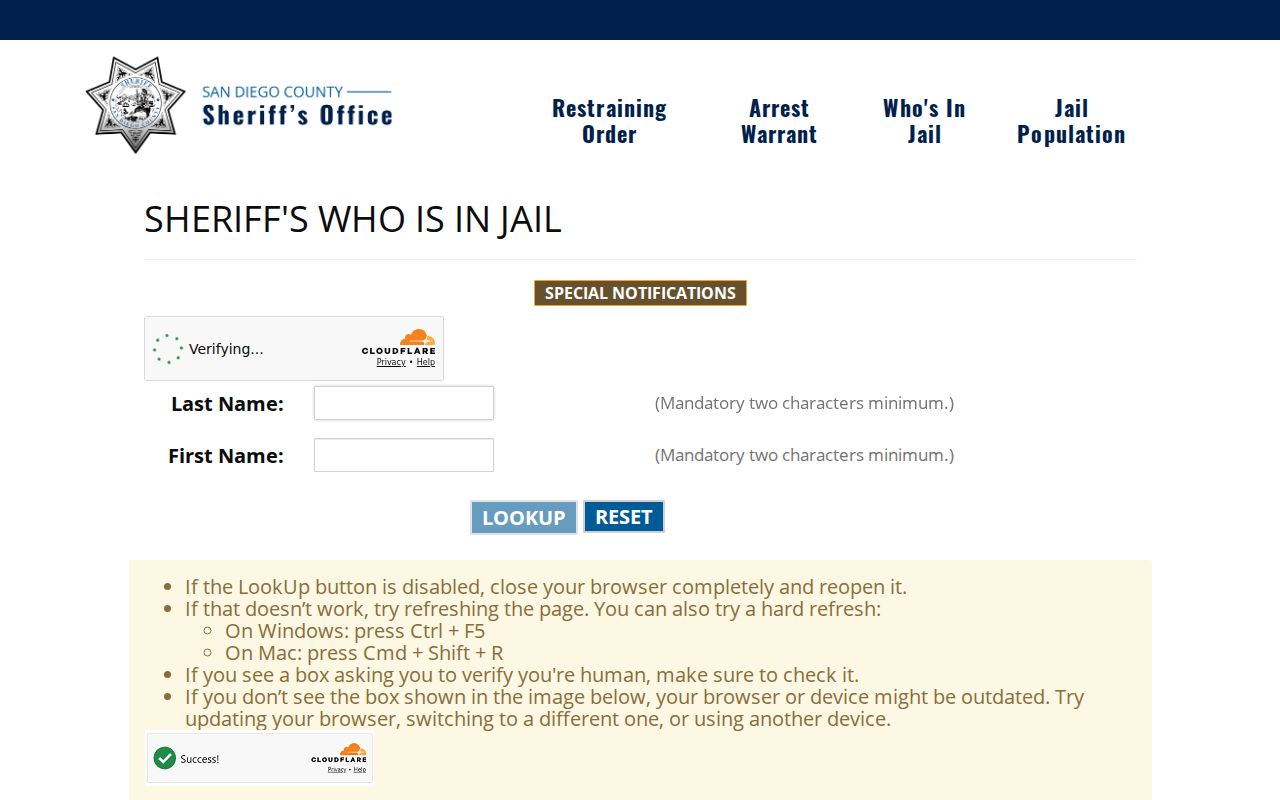
Sheriff records sit apart from city records. The San Diego County Sheriff's Who's in Jail search is a current custody lookup. It is not a conviction record. Booking data can change. Charges must be checked against the court file. Use the official office for the record type. Preserve the date. Report both the result and its limit.
The San Diego County Sheriff custody search is an official but time-bound record source.
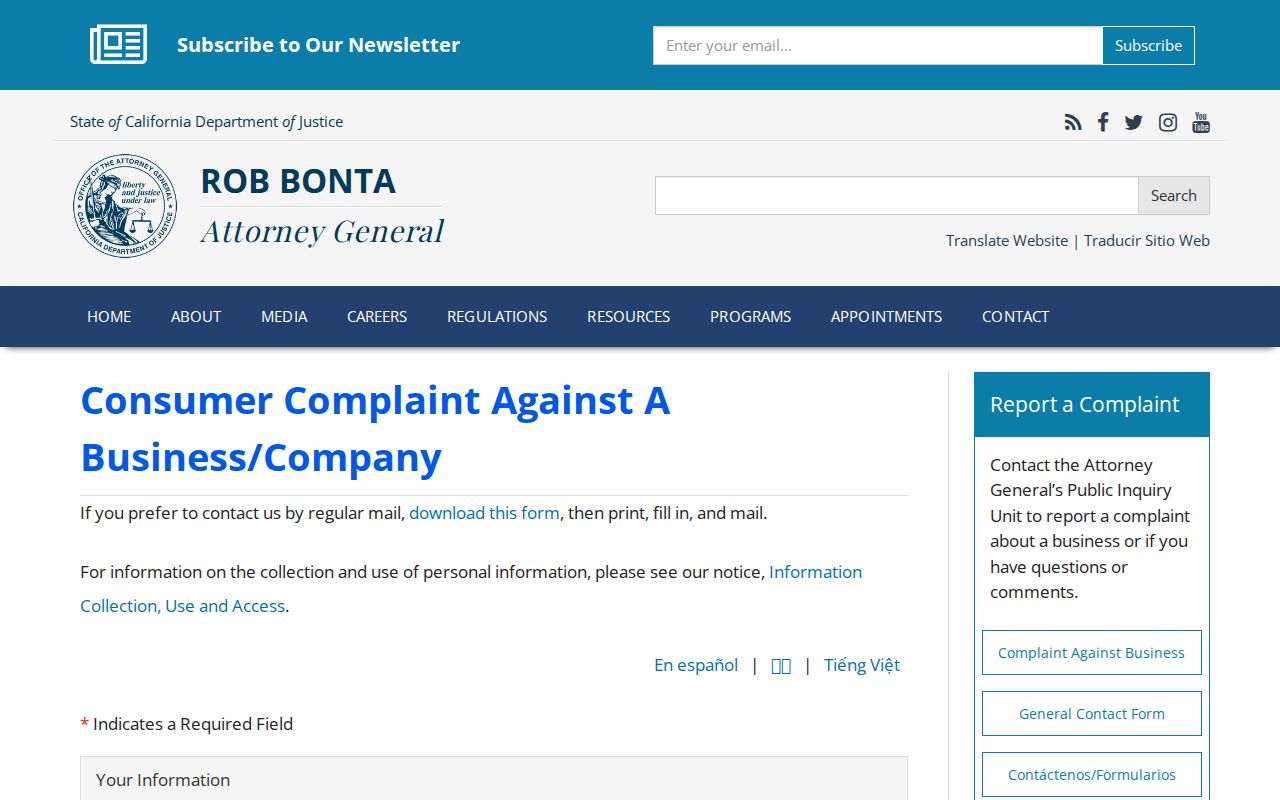
Scam and identity questions run through their own official channels. A public-record trail should always lead back to the custodian. Suspected loss or online fraud belongs with the agency that receives that report.
The California Attorney General consumer complaint route is a direct channel for a business complaint.
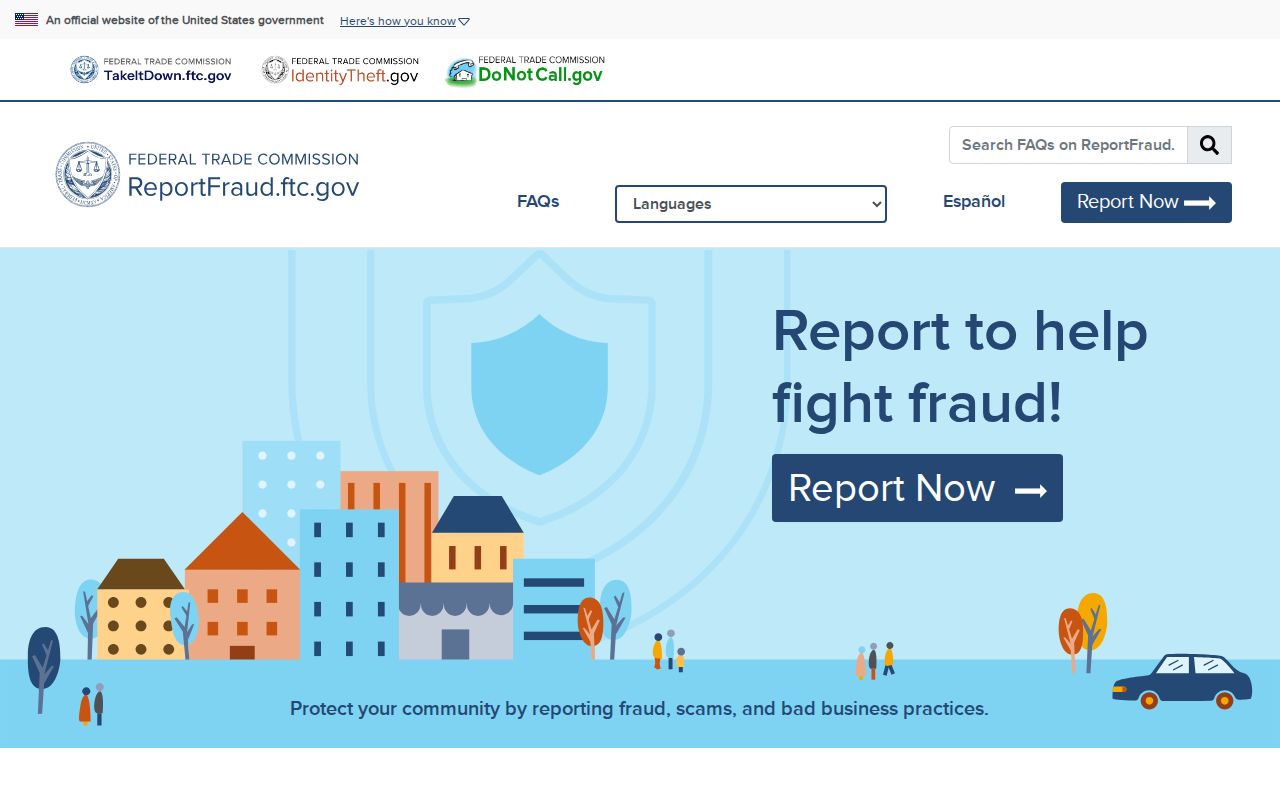
Scams and online fraud can be reported to the FTC and the FBI, each of which runs its own reporting path. Keep your incident number, the date, any payment trail, and the original message handy.
The FTC fraud-reporting portal handles a different task from a records search.
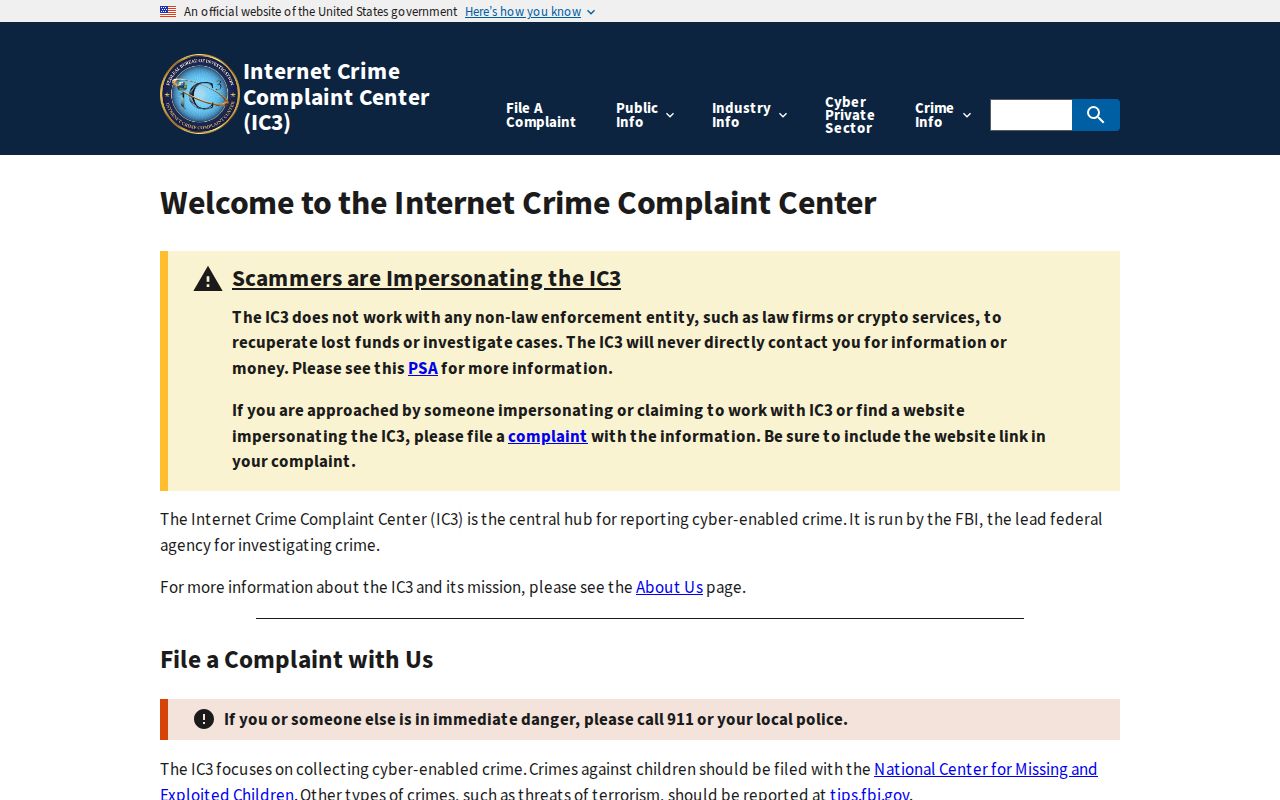
The FBI Internet Crime Complaint Center is another official route after an internet-enabled incident. It asks for the same clear record of what happened.
The FBI Internet Crime Complaint Center accepts reports about qualifying online crime.
That careful handoff is what makes an Encinitas residents directory useful. It points to the keeper, the search field, the coverage date, and the next channel when a web result runs thin. Each clue keeps its source and its limit. The result is a more honest directory.