
Looking Up Your Encinitas Neighbors
The block lookup table pairs each kind of clue with its public source. It stays narrower than a person list on purpose. Turn to the city map for adjacency, the county roll for parcel facts, the Recorder for instruments, CSS for projects, and community organizations for public contacts.
| Source | What it shows about a block | Access |
|---|---|---|
| Encinitas Land Records map | Adjoining parcel APNs, addresses, geometry, mapped land context | Free address or APN search, then click each polygon |
| SDARCC assessment roll | Value, exemption, and lien-date facts for a known parcel | Free address, street-name, or APN search; owner suppressed online |
| Recorder index or kiosk | Recorded parties, instruments, dates, and legal descriptions | Web name search from 1970; APN at ARCC kiosks |
| City CSS permits | Projects, work dates, inspections, plans, and public contact roles | Public address, APN, or map search; complete files by request |
| Community organizations | Public contacts, meetings, service areas, and civic activity | City group pages and organization sites |
| Voter file | Registrant data only under an approved statutory purpose | Signed application and fee; no public curiosity browse |
Click the Parcels Around an Encinitas Address
The Encinitas Land Records viewer supports a visual neighbor method. Accept the disclaimer first. Then search the starting address or APN, choose the parcel, and zoom in. From there, click the surrounding polygons one by one. The Layer List and Map Legend explain the map context on display. Measurement Tools let you define a distance. Print Map produces a dated PDF with an optional subtitle.
No radius or buffer result table exists. So do not expect the viewer to export a complete block roster. Preserve each adjacent APN and address as you go. Then decide whether the next question concerns value, a deed, a permit, or a community contact.
- Verify the starting address and community label, then save the city map date.
- Click the starting parcel and record the APN, situs address, and legal or mapped context.
- Click each adjacent polygon and keep the same fields for comparison.
- Use the county roll for value and exemption facts, then use Recorder or CSS only when the claim needs that source.
- Print the map or preserve a screenshot so the block definition can be repeated.
This method identifies the parcels around your Encinitas address. It does not identify every person who may be present inside them.
SDARCC Owner Alert is a public property-monitoring service that can add a dated recording clue when an enrolled name or APN appears.
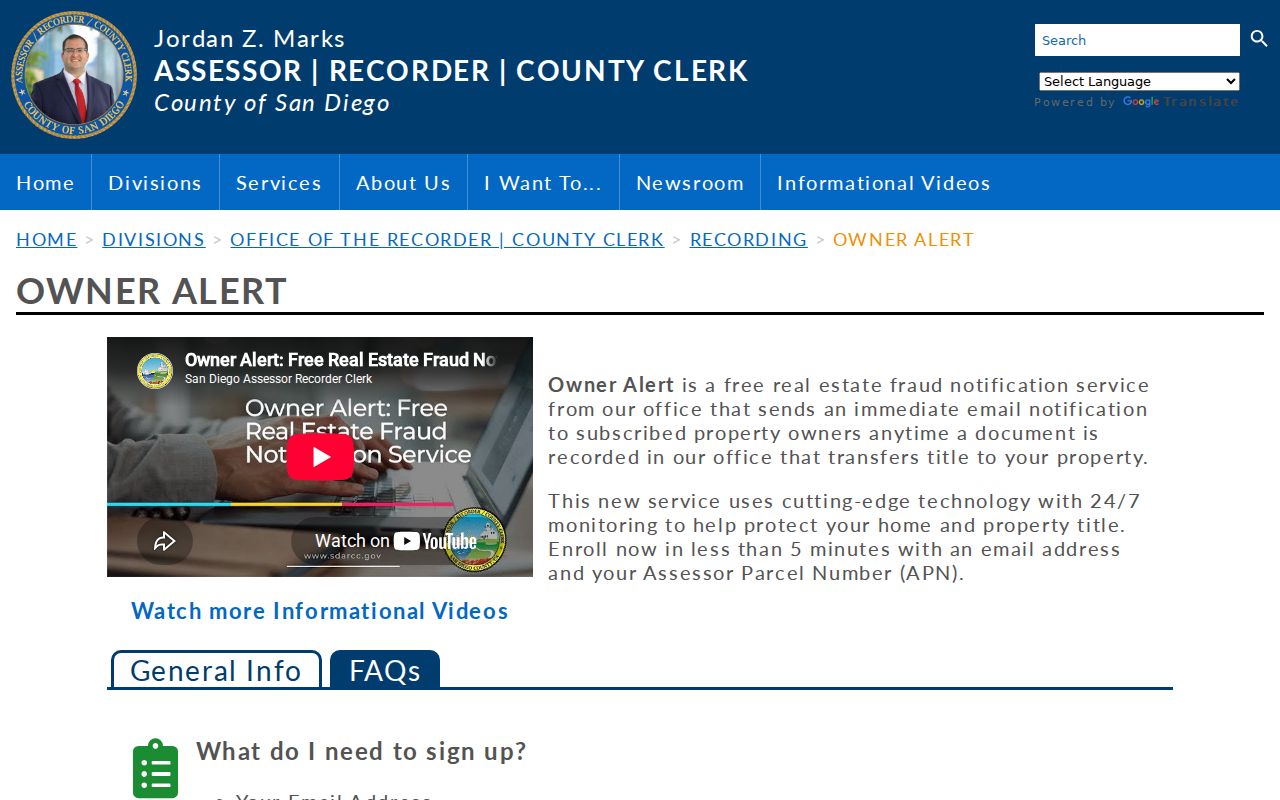
Owner Alert enrollment takes an email and name, with an optional APN. Each email covers up to ten names and ten APNs. An alert carries a document number and index link, never the instrument itself. Common names can generate extra notices. A filing indexed under a different spelling or APN may not trigger one at all.
Encinitas Neighbors Have Different Record Roles
An adjacent APN can lead to an assessment result. It can also lead to a deed instrument. Or it can lead to a permit record. Each plays a different role. The county web roll withholds owner identity. A deed names parties to a transfer or encumbrance. A permit may name an applicant, agent, designer, contractor, or owner-related contact. None of these proves who lives in the structure.
Mailing and situs addresses often differ. A trust, a vacant parcel, or a manager can explain the gap. So can an off-site notice address. A permit can date a project without revealing the household before or after it. Keep those distinctions beside each parcel in your block notes. A neighbors search then never merges roles.
California's online-address protection is a feature, not a flaw, of this kind of search. It stops a map click from becoming an official list of private households. Parcel, project, and recorded-document research all remain available through the proper channel.
California Blocks Public Voter Browsing by Street
The California voter-status portal serves one purpose: a person checking their own registration. The county application for broader voter data demands applicant identity, organization, intended-use category, and explanation. It also requires a recipient, delivery choice, signature, and certification. Elections Code §2194 limits the permitted purposes. Protected fields such as full credentials and signatures never form a public block directory.
A person with an approved statutory purpose may request a properly scoped file. General curiosity about your Encinitas neighbors is not that mode. Safe at Home participants and other protected registrants deserve particular care. Use the parcel map and public organization contacts for block context. Do not try to reconstruct a protected address.
The rule also changes how to read a negative result. No public web list of everyone registered on a block exists. That absence reflects access design, not who does or does not live there.
Public Community Contacts Around Encinitas Blocks
Encinitas community organizations explain a block's civic setting without enumerating private households. City sources identify Encinitas 101 Main Street, Leucadia 101 Main Street, Cardiff 101 Main Street, and the Encinitas Chamber. These are civic anchors, not resident rosters. Cardiff Town Council and Olivenhain Town Council add historical and civic leads. These groups publish contacts, events, and service areas, not resident rosters.
Use a group page to learn which community name belongs with an address. It can also help you find a public meeting. Attendance, membership, and posted contacts never prove a person lives nearby. Congregation, club, and neighborhood lists stay private unless an organization chooses to publish them.
| Public contact layer | Useful block context |
|---|---|
| Encinitas 101, Leucadia 101, Cardiff 101 | Community identity, local contacts, events, and service area. |
| Encinitas Chamber | Public business and civic connection, not a household list. |
| Cardiff and Olivenhain town councils | Historical or civic leads tied to community names. |
Use CSS to Read an Encinitas Block Timeline
Customer Self Service can search a block by map, address, or APN. A public result may include the record or permit number, application type, project scope, status, application date, issue date, completion date, inspections, related plans, and public contact roles. That timeline shows when a structure changed or a project wrapped up.
Full permit histories and plans may require a City Clerk public-record request. They may also require a Building Plan Copying request. Describe the address or APN, permit number, date range, subject, and requested format. CSS applications, invoices, scheduling, and approved-plan downloads may require an account. The city has not published a start year for its migrated electronic permit history.
A project may hint at an earlier household. Pair the date with a directory, census, deed, obituary, or historical society item. A block timeline holds up best when every person name keeps its role.
ZIP Is Too Coarse for Immediate Neighbors
Encinitas runs on two principal ZIP codes, 92024 and 92007, yet it holds five historic communities. One ZIP can span coastal bluff, suburban tract, and semi-rural hillside all at once. The post office decides postal routing, while the city governs community identity and parcel geography. A ZIP code directory helps you orient. Then address and APN pin down the actual block.
Cardiff-by-the-Sea sits inside 92007, within the incorporated city. Meanwhile 92024 absorbs Encinitas proper, Leucadia, Old Encinitas, New Encinitas, and much of Olivenhain. That split is handy context for a residents directory search, but it never marks the boundary of a single household in Encinitas.
Official Safety and Custody Tools Are Not Neighbor Lists
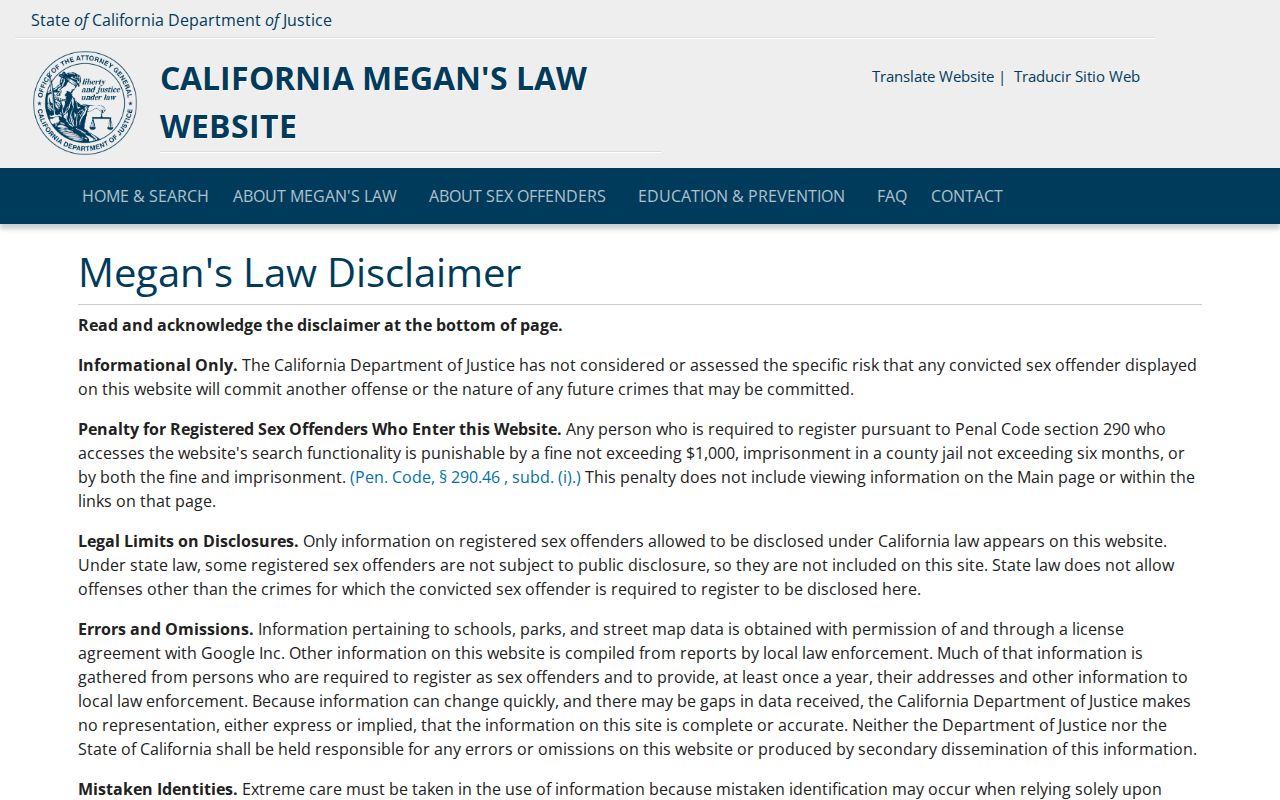
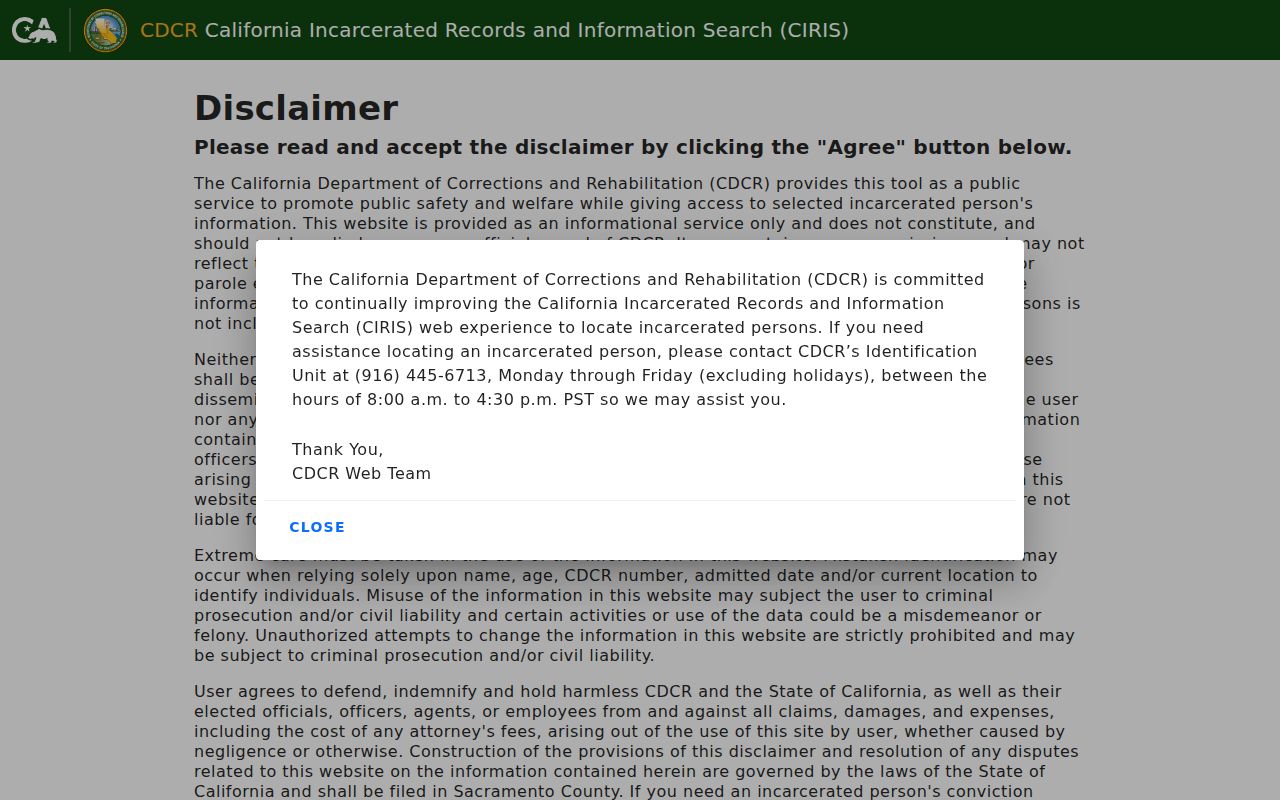
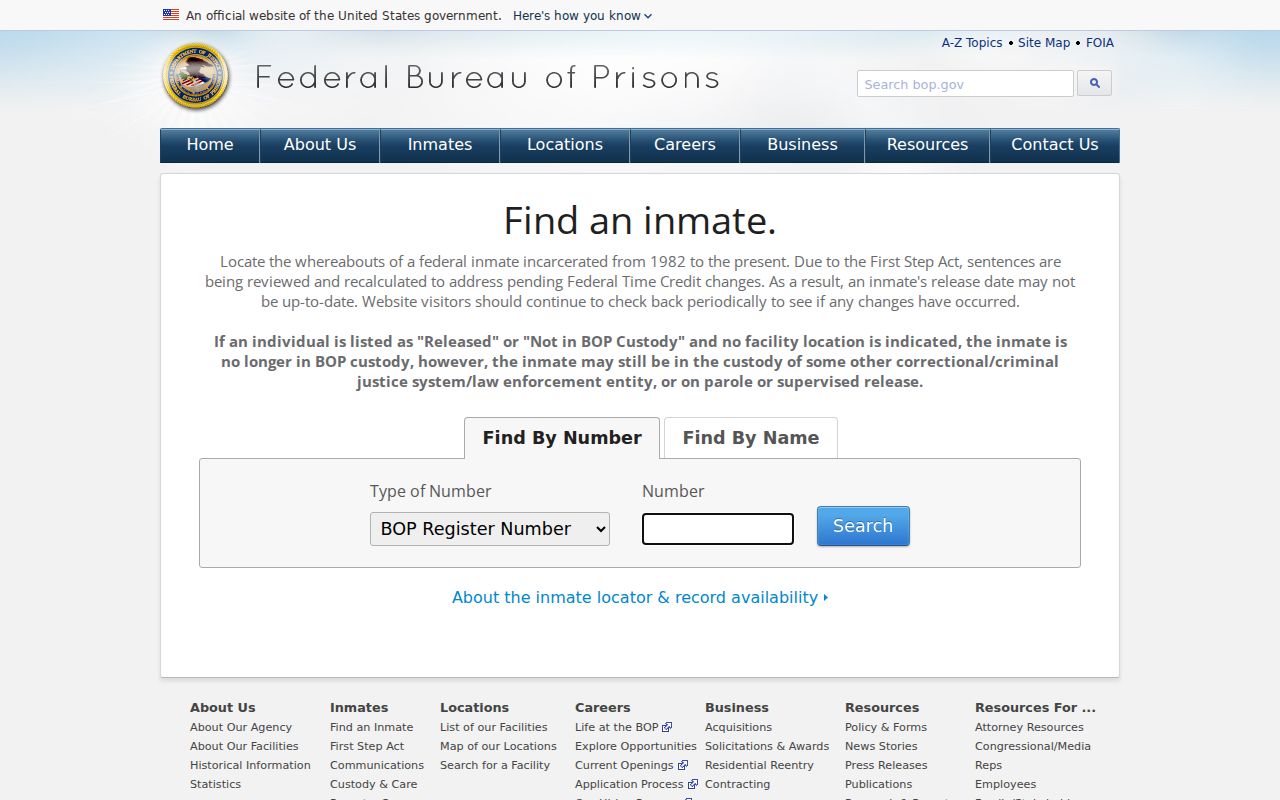
California and federal custody tools may answer a narrowly defined public-record question. They do not map a block. The California Department of Corrections and Rehabilitation locator, the federal Bureau of Prisons locator, and the California Megan's Law site each carry their own fields. Each also carries its own disclaimers, coverage, and lawful-use limits. A custody or registry result proves neither residence nor any reason to contact a person.
The Sheriff Who's in Jail result, when present, is a time-bound booking snapshot. Charges can change. Disposition belongs to the court. Megan's Law information carries statutory use restrictions. None of these sources should ever be used to build a neighborhood list.
California Megan's Law states its own public-search and lawful-use limits.
The CDCR incarcerated-person locator is a state custody tool with informational limits.
The Federal Bureau of Prisons locator is a separate federal source, not a local address search.
Official Rolls Versus Commercial Neighbor Tools
Secondary neighbor products may blend old public data with purchased data and uncertain refresh dates. They can misattribute units, merge same names, or hold an address years stale. Official rolls and maps have gaps too. But their custodian, field, and date stay visible. Compare the categories before trusting any result.
| Source type | Strength | Limit |
|---|---|---|
| City GIS | Current parcel geometry, APN, map context | No household roster |
| County roll or Recorder | Official parcel facts or recorded instruments | Owner display, dates, and access channels are limited |
| City permits | Project timeline and named roles | Contacts are not a continuous resident record |
| Commercial compilation | May gather several clues in one view | Source dates, unit matching, and correction path may be unclear |
Privacy Limits on Your Encinitas Neighbors
Not everyone shows up in the parcel record. Renters, minors, and household members may be absent from it entirely. Utility customers, delivery recipients, and protected residents can be absent too. DMV addresses stay closed under the Driver's Privacy Protection Act. Safe at Home goes further. It supplies substitute-address protection for eligible survivors and certain public-facing workers. So a neighbor lookup can miss people who live right next door. That is by design. One rule matters above all: never combine public fragments to defeat that protection.
Lawful use. Use block research for civic understanding, family history, property context, and personal safety awareness. Never use a neighbor lookup to stalk, harass, intimidate, or harm anyone.
A block search in the Encinitas residents directory earns the word complete only when it names its parcel source, date, role, and limit. Producing the longest list of names proves nothing. Careful neighbors research pays closest attention to what a record leaves unsaid.