
What an Encinitas Resident Lookup Can Confirm
A resident lookup result is a role-specific clue. The coverage table shows what each record can support and where the official file lives. It prevents a name hit from being stretched into a claim the record never made.
| Record | What it can confirm | Official place | Access and limit |
|---|---|---|---|
| Assessment or parcel | Parcel, situs, value, exemption facts | SDARCC Assessor and Encinitas GIS | Owner identity is not posted online; an owner is not automatically a resident |
| Recorded deed | Named parties and property instrument | SDARCC Official Records | Web name index from 1970; APN search at public kiosks |
| Voter record | One person's registration status and districts | California SOS or San Diego Registrar | Self-lookup; broader data requires an approved Elections Code purpose |
| Court index | Similar name connected to a case locator | San Diego Superior Court | Official file is needed for disposition; exclusions apply |
| Vital certificate | Event, date, place, and family facts | ARCC or CDPH | Informational and authorized-copy rules differ |
| Directory or census | Dated household or historical occupant snapshot | Libraries, EHS, NARA | Year-specific and incomplete |
Choose the Encinitas Record That Tests the Claim
Start with the record category that was created for the question. A property question begins with the city map and county assessment roll. A case question begins with the San Diego Court Index. A professional identity question begins with the relevant California board. A family-history question may begin with a directory, obituary, census page, or probate index. A narrow starting point makes a resident lookup more useful and reduces same-name errors.
Encinitas adds a geography check. The city was formed in 1986 from Cardiff-by-the-Sea, Leucadia, Old Encinitas, New Encinitas, and Olivenhain. A historic record may use one of those names, while a modern record uses Encinitas or a postal city. Keep both labels in the search notes. A second match should use an address, APN or legal description, spouse or relative, middle initial, license number, case role, or event date.
A person may appear as an owner, grantor, grantee, voter, litigant, licensee, business agent, permit contact, historical occupant, or heir. Those statuses are not interchangeable. A careful resident lookup names the status next to the result, and a second resident lookup step confirms the role with another custodian.
Search San Diego Cases Without Assuming an Outcome
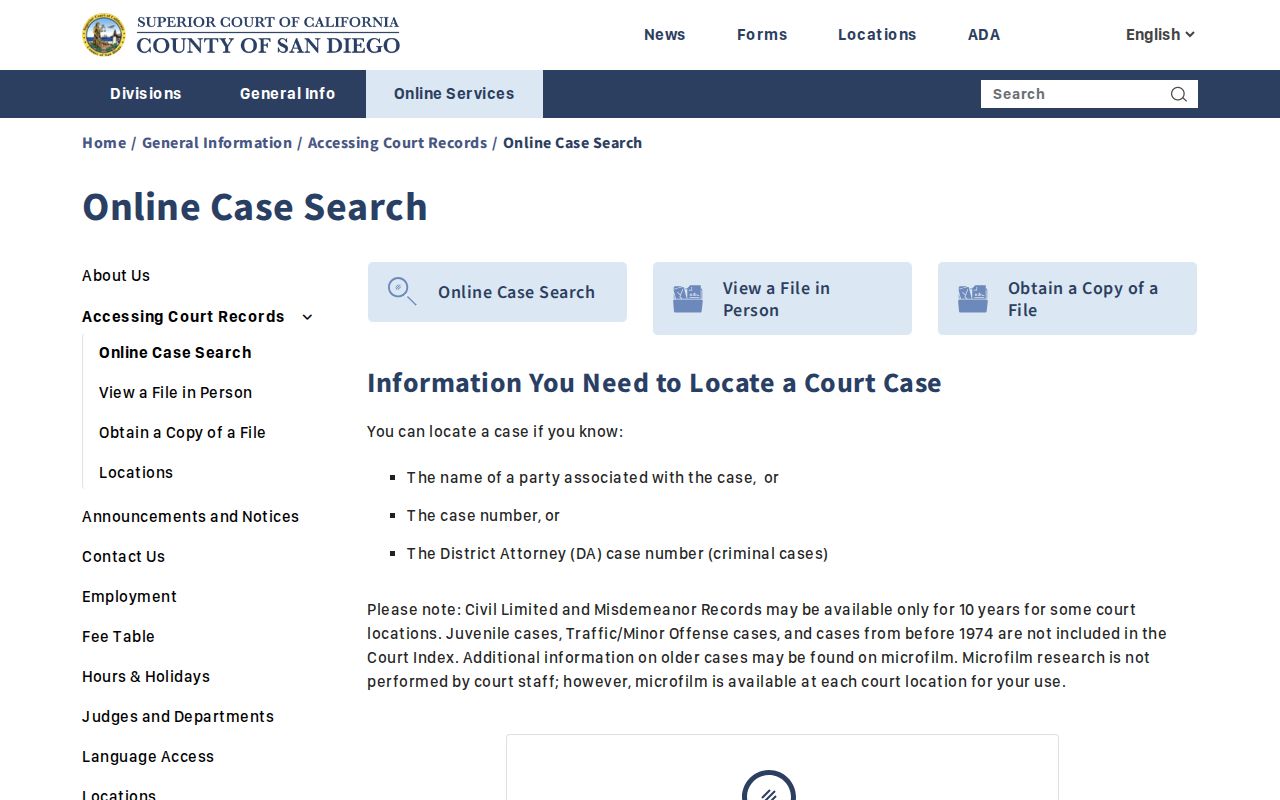
The San Diego Superior Court Index has three search modes behind a terms acceptance: Party Name, Case Number, and DA Number. Case Number adds Case Type, Case Location, and a case-number text field. Party searches should test spelling variants and preserve the party role. The court index is free as a locator, but the clerk file and copy route are the authority for the substance of a case.
| Search field or result | Observed detail |
|---|---|
| Party Name | Locates a case associated with a named party; spelling variants matter. |
| Case Number | Uses case type, location, and a long year plus eight-digit sequence format. |
| DA Number | Criminal matter locator using a District Attorney number. |
| Result fields | Case title, case number, courthouse, type, filing date, and parties or roles. |
| Official follow-up | Register of Actions, clerk file, copy request, or courthouse microfilm for older material. |
The court's online case-search guidance explains the locator and its coverage limits.
Where Encinitas Court Coverage Has Gaps
Juvenile matters, traffic and minor-offense matters, and pre-1974 cases are excluded from the public index. Some Civil Limited and misdemeanor entries may remain for only ten years at some locations. Civil, Small Claims, and Probate cases filed from 2008 may have selected documents available for purchase online. Some imaged Family cases filed on or after August 24, 2015 may support online purchase or mail fulfillment. Criminal documents are viewed at the hearing courthouse or ordered by mail.
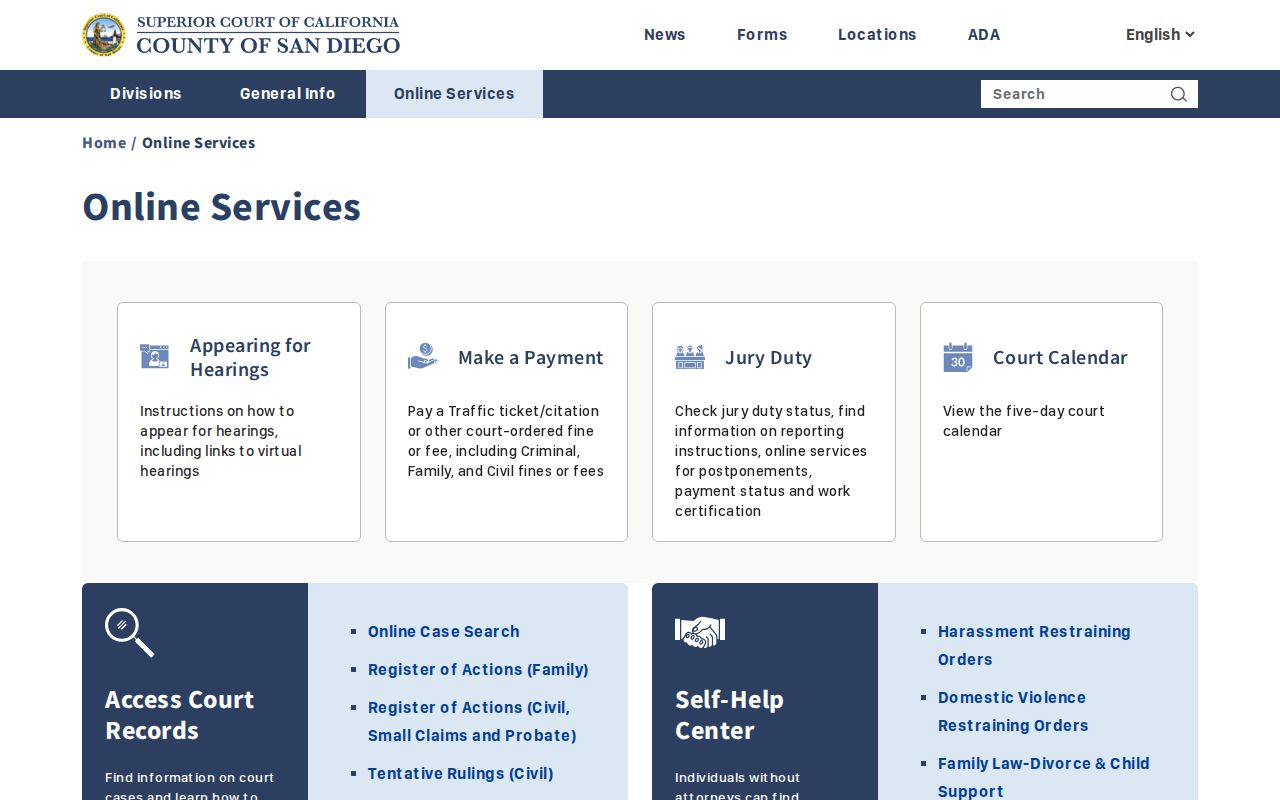
When the web result is thin, use the San Diego Superior Court online-services page for Registers of Actions, calendars, filings, and copy routes. Visit the clerk business office for the official file, request ordinary or certified copies by mail or in person, or use courthouse microfilm for older cases. The North County Division public line is (760) 201-8600; confirm current facility details before travel.
Superior Court online services connect a locator result to registers, filings, and copy procedures.
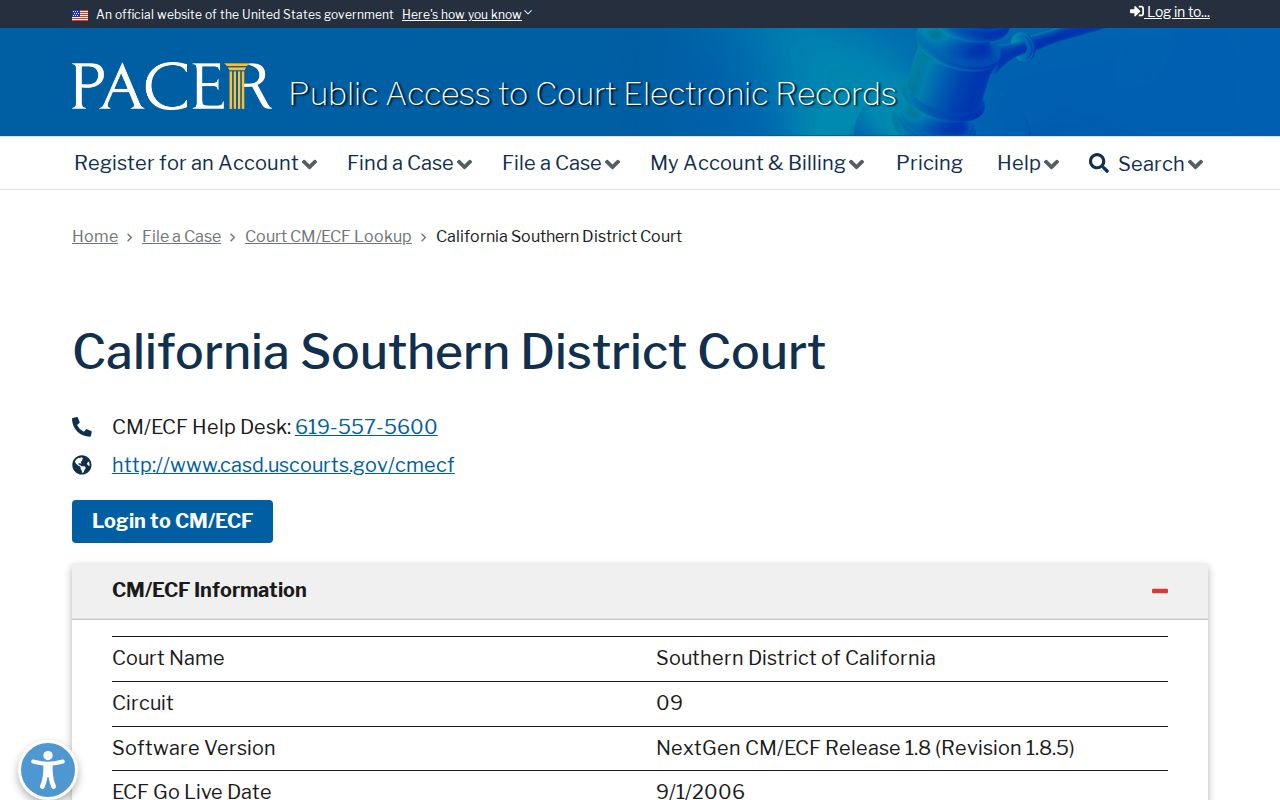
Federal cases use the Southern District of California PACER page or the national Case Locator. PACER requires an account and current federal fees. Sealed material remains unavailable.
The Southern District of California PACER entry point is the federal fallback for a qualifying case search.
California Vital Records Are Not a Name Index
Birth, death, marriage, and divorce records have separate eligibility rules. San Diego ARCC handles county events, while CDPH Vital Records supplies a statewide route. An authorized certified copy is limited to statutory classes and can establish identity. An informational copy is generally available to more requesters but carries a clear legend that it cannot establish identity. Mail requests for authorized copies require a sworn statement and notarized acknowledgment.
Confidential marriage copies are ordinarily limited to a party or court-order recipient. Public marriage certificates follow authorized or informational rules. A marriage license or application is not the same as proof that a ceremony was registered. CDPH's divorce certificate of record covers only 1962 through June 1984 and gives names, filing date, county, and case number, not the decree terms. The Superior Court holds the decree.
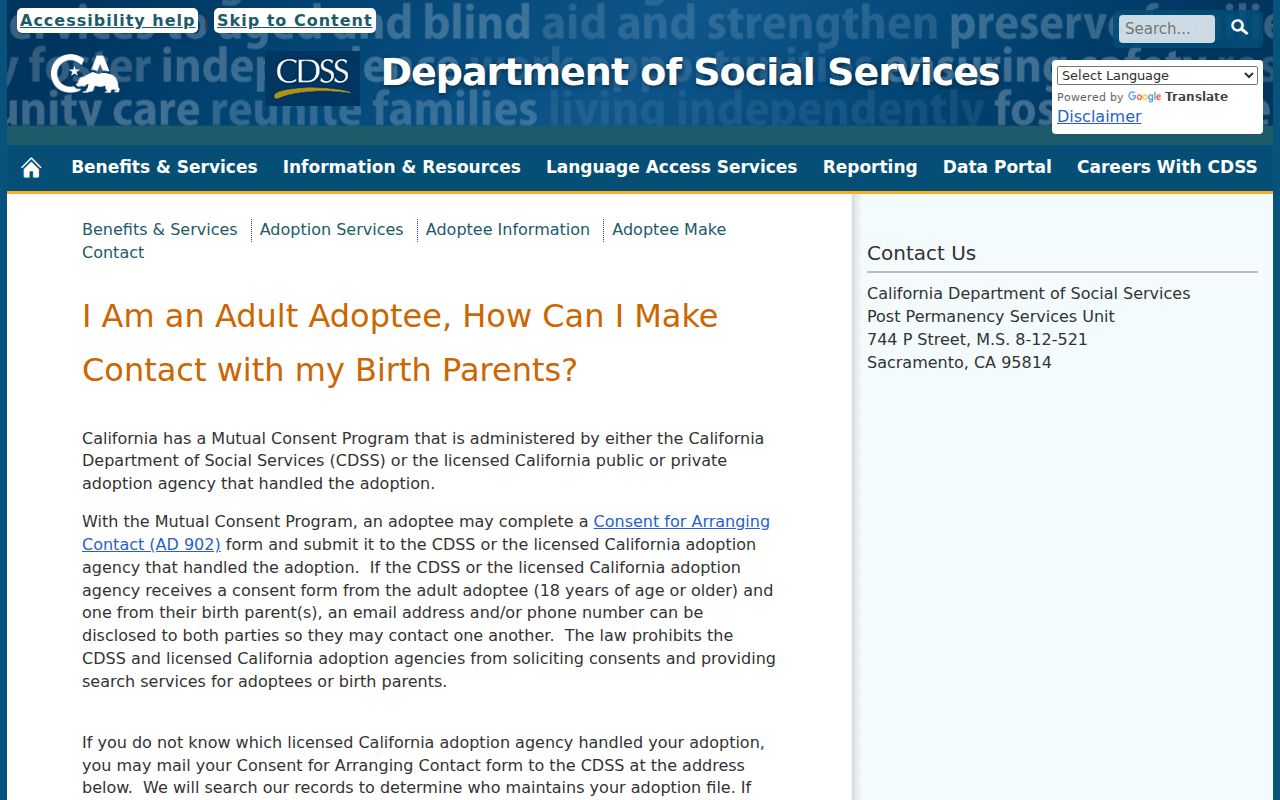
Adoption is a separate path. CDSS can provide non-identifying background material through the agency holding the file. An adult adoptee and birth parent may each file consent for mutual contact; a matching consent can permit disclosure of email or telephone. Original birth records and adoption files are not an open resident lookup.
California's mutual-contact process is the official route for an adult adoptee or birth parent seeking consent-based contact.
Verify an Encinitas Resident Across Sources
A reliable name search uses a source that fits the claim, then a second independent match. Do not merge a common name with Encinitas alone. Compare the person's middle initial, spouse or relative, former community, address or APN, entity or trust name, license number, case role, and event year. Preserve the difference between a recording date, assessment lien date, permit date, court filing date, license date, directory year, and census enumeration.
- Write the narrow question and choose the first custodian, such as the court for a case or the board for a license.
- Record the full result, including the role, date, case or license number, address type, and any stated coverage limit.
- Find a second record with a matching identifier, legal description, date, spouse, business entity, or community label.
- Ask the custodian about a copy, correction, or older file when the online result cannot answer the question.
- Keep a source-specific negative result rather than writing “no record” for a broader universe.
- Docket
- A case activity record or list of filings, not always the full document set.
- Index versus image
- An index helps find a record; an image or certified copy carries the underlying document.
- Certified copy
- A custodian-issued copy with a certification that matters for the product and requester category.
- Party role
- The person's position in a record, such as grantor, grantee, plaintiff, defendant, or representative.
Encinitas Voter Status Is a Self-Check
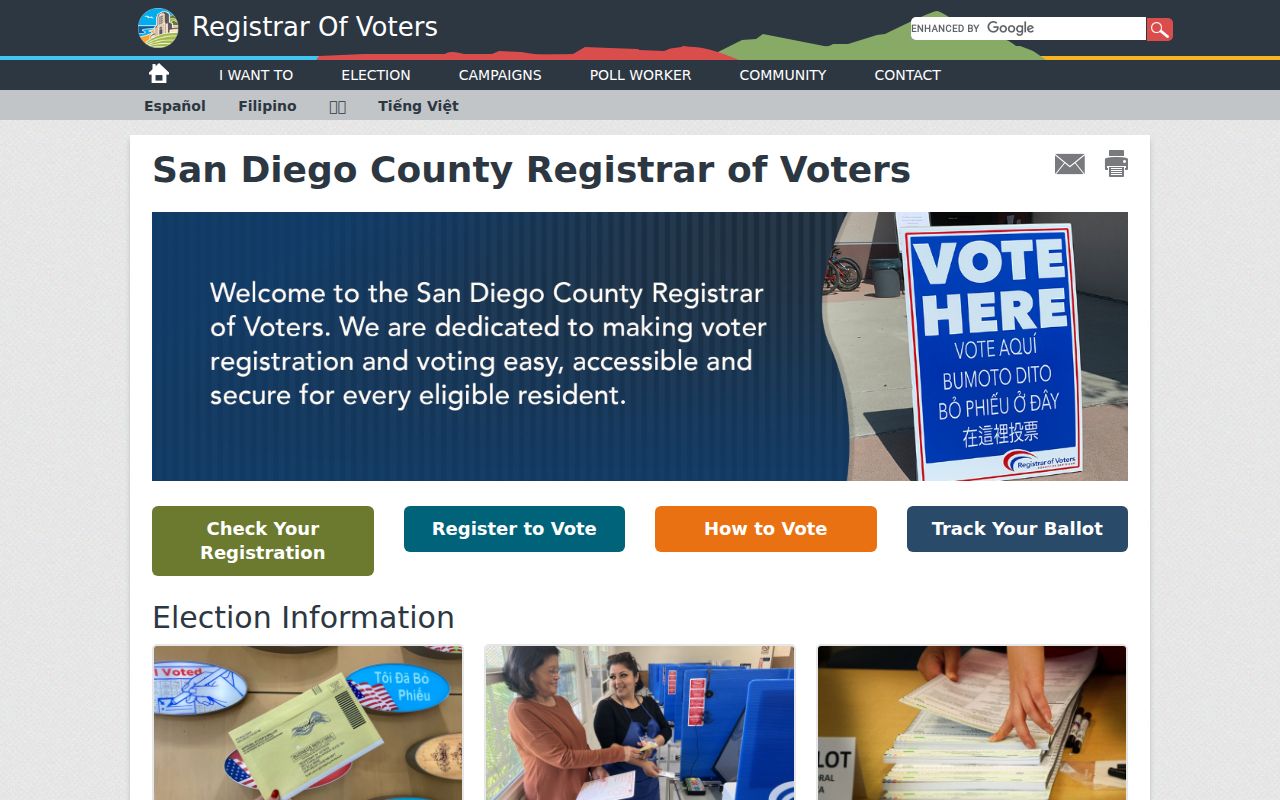
The California Secretary of State voter-status tool asks for a registrant's first name, last name, date of birth, and prompted identity or county details. It is designed for a person to verify their own registration, status, party preference, precinct or district, and election information. It is not a public name search and does not reveal ballot choices.
A broader San Diego voter file requires a signed application under Elections Code §2194. The form asks for applicant and organization details, requested product, intended-use category, explanation, recipient information, delivery choice, signature, and certification. The inspected form listed a $75 one-time county file, specific-record search labor at $98 per hour, and possible copy fees. Recheck the current form before relying on any amount. Protected registrants and suppressed fields remain protected.
San Diego County voter services provide the county-level access and request context around a personal voter lookup.
Business, License, and Family Leads
For a business principal, compare California bizfile entity records, a county fictitious-business-name filing, and the city business-registration dataset. For a licensed person, compare the exact board, license number, status, dates, and discipline record. An agent, premises, service, or mailing address is a role clue, not a home address. For an heir, use probate petitions, recorded post-death transfers, obituary evidence, and the official file. For a former classmate, the Historical Society archive, school annuals, and library resources can support a lawful reconnection effort.
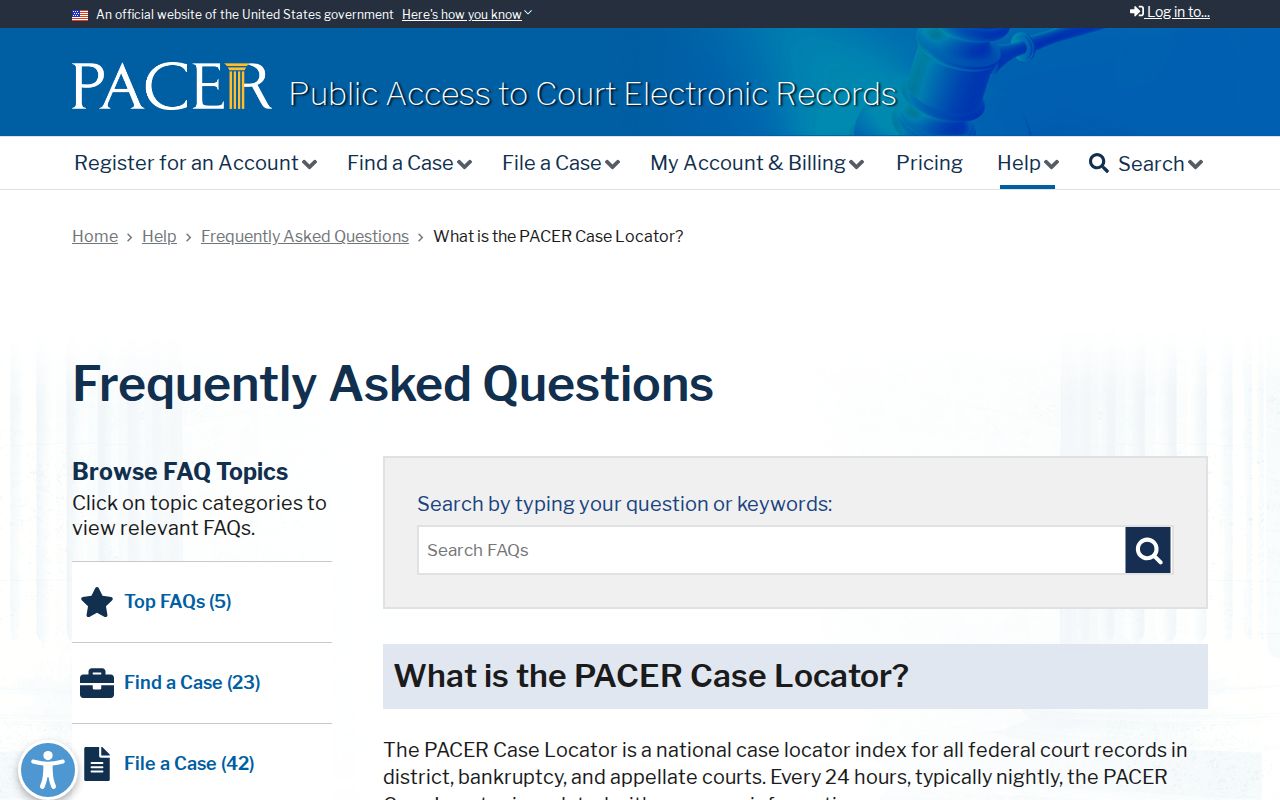
The PACER Case Locator guidance describes federal party and case searching. It is useful when a case crosses county lines, but the record still needs identity control. A similar name in a business, court, or obituary source is a lead until the second match is found.
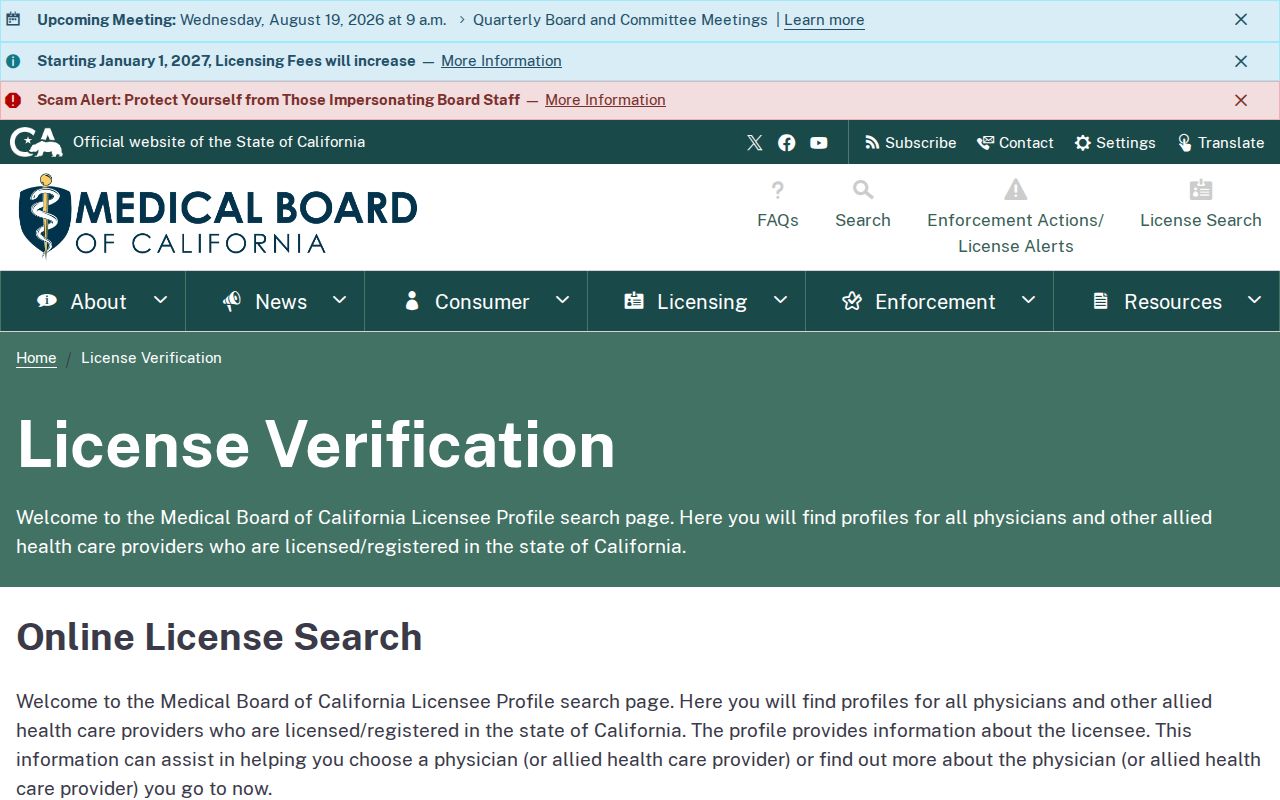
The Medical Board license-verification search shows why an exact board and license role matter in a name check.
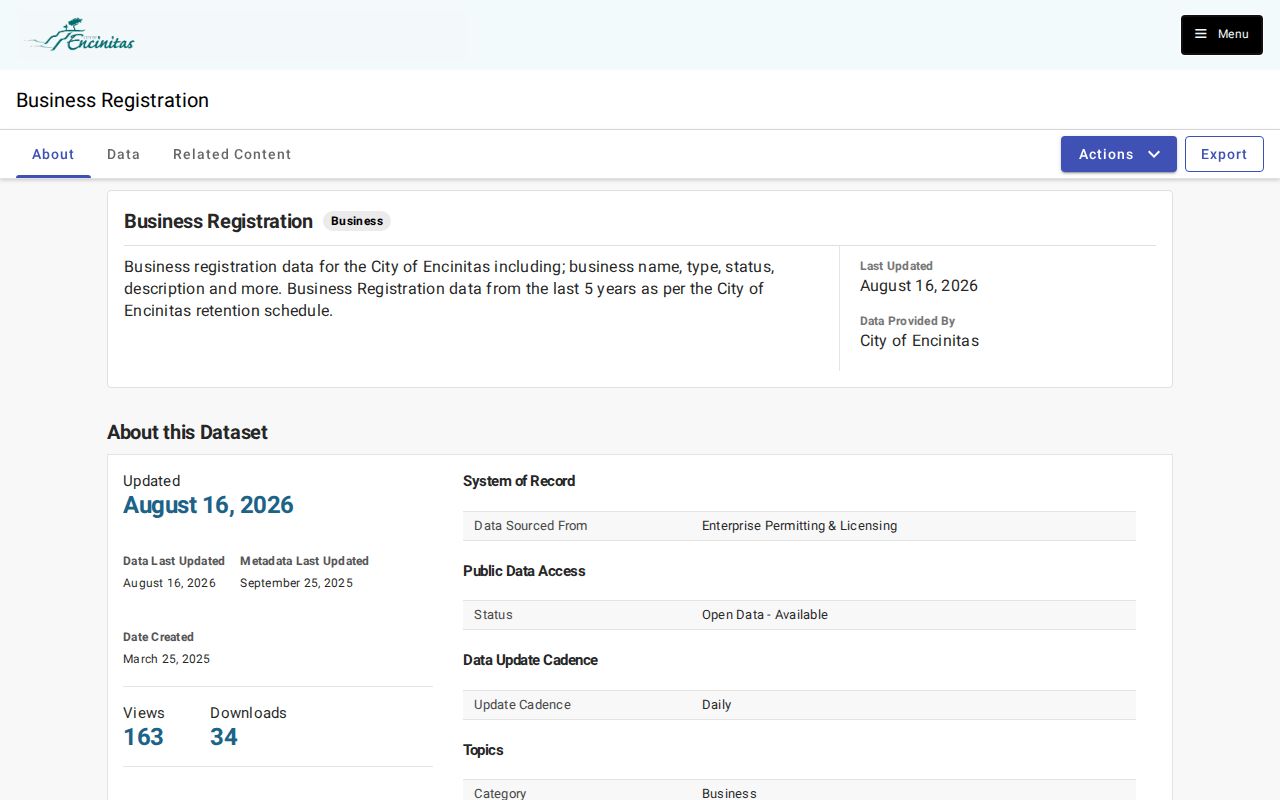
The Encinitas business-registration dataset adds a city-level activity trail. Preserve its update date and interpret a business address as commercial evidence.
The Encinitas business-registration dataset supplies a public city source for entity and registration clues.
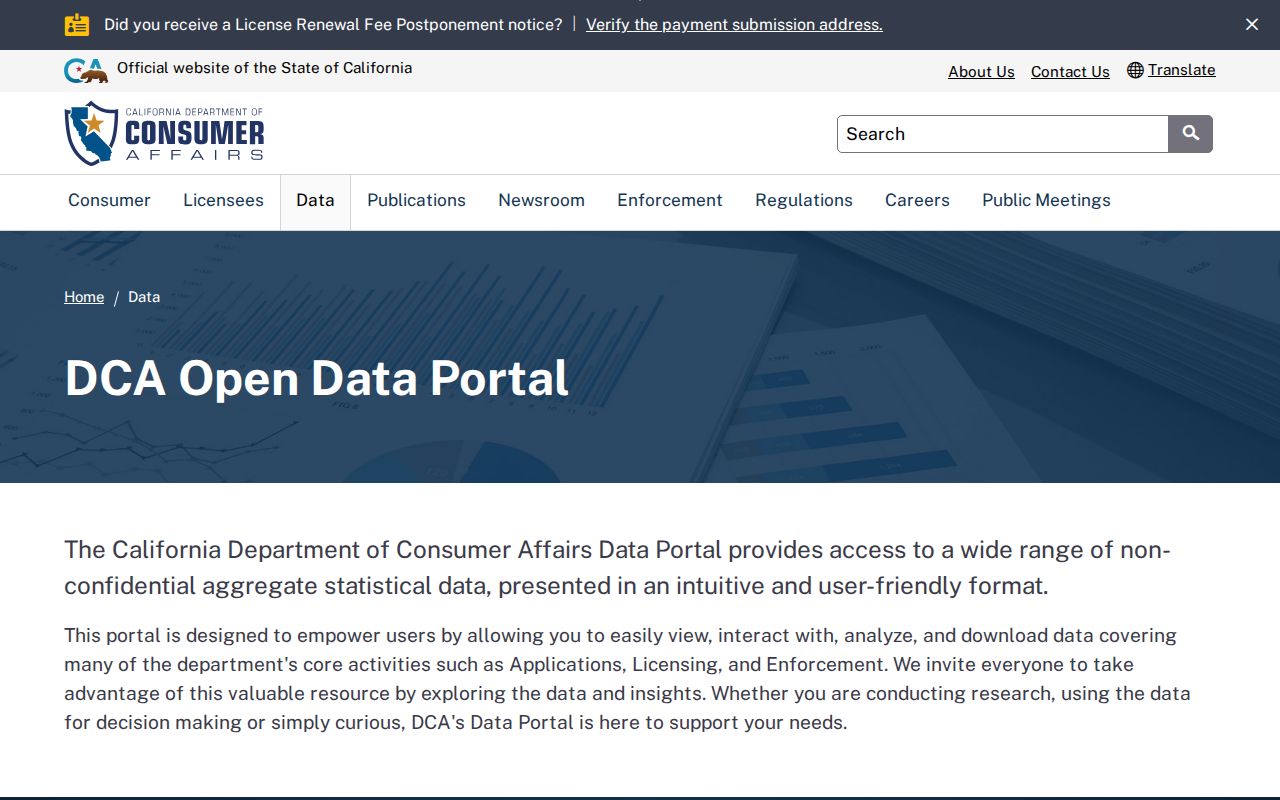
State license data can be downloaded in broader form as well as searched on a board page. Compare fields before merging two records.
California Department of Consumer Affairs open data provides license data context for a regulated professional.
A UCC filing is another role-specific clue. It can connect a name or entity to a filing without turning that filing into a current address.
California's SOS UCC search is a separate filing system from the basic entity search.
Other public license systems use different fields and custodians. Alcoholic beverage, food-facility, and attorney records should stay in their own categories.
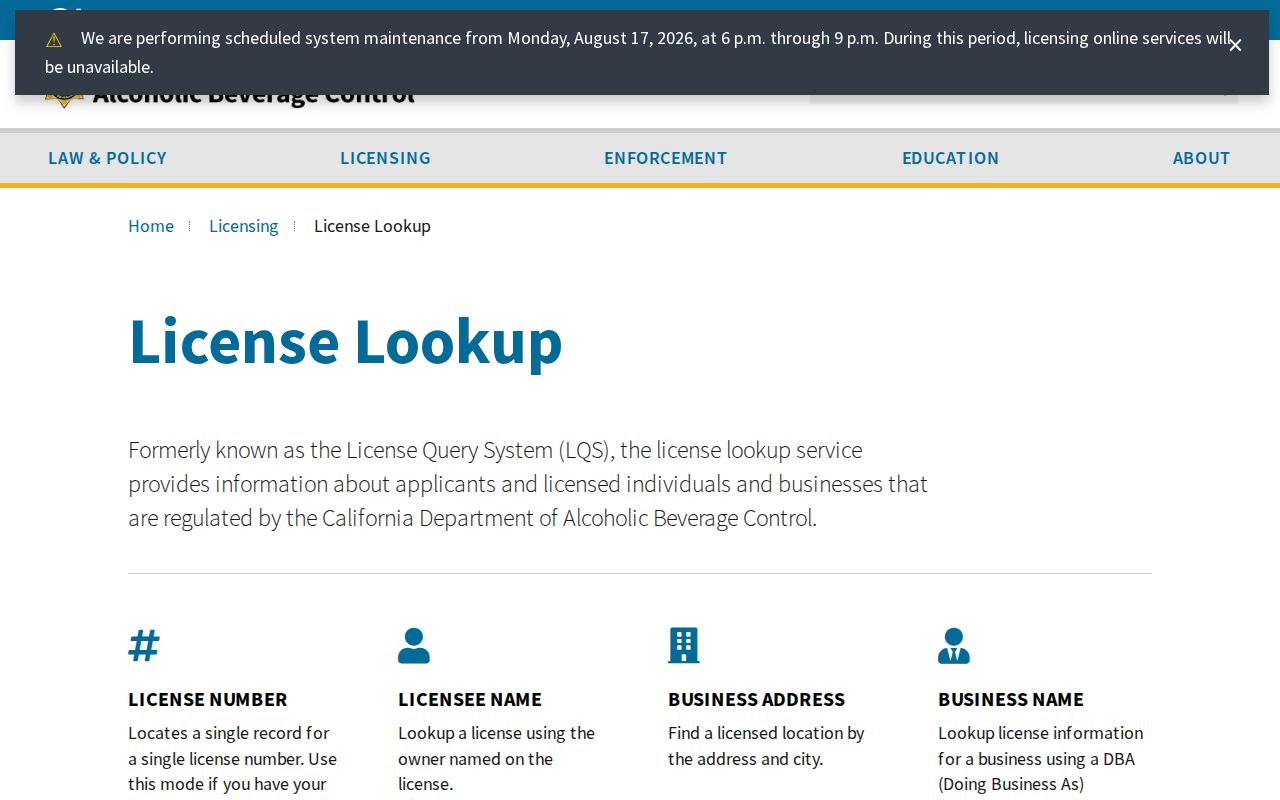
The California ABC license lookup searches license number, licensee, business, premises, and geographic details.
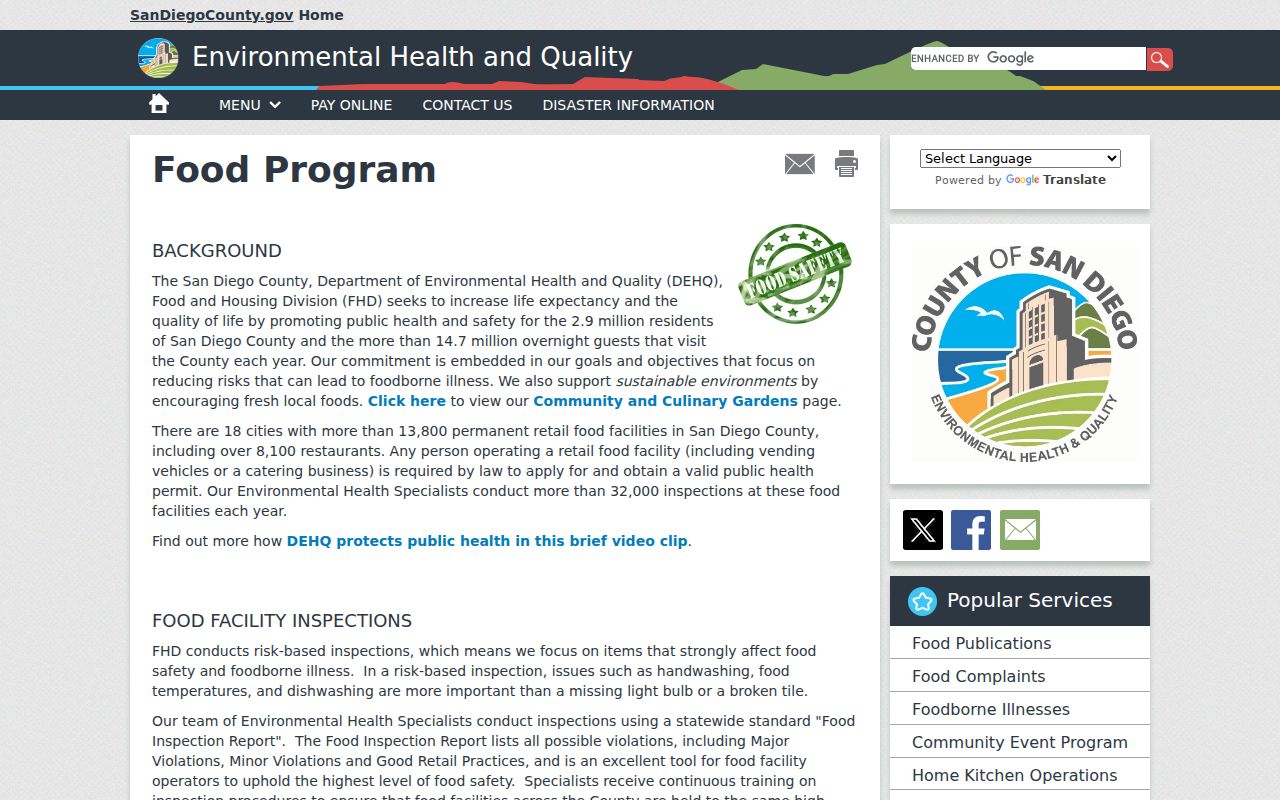
County food-facility records can add a public premises clue, while the State Bar provides a board-specific attorney search.
San Diego County food-facility records describe a public regulated site rather than a home.
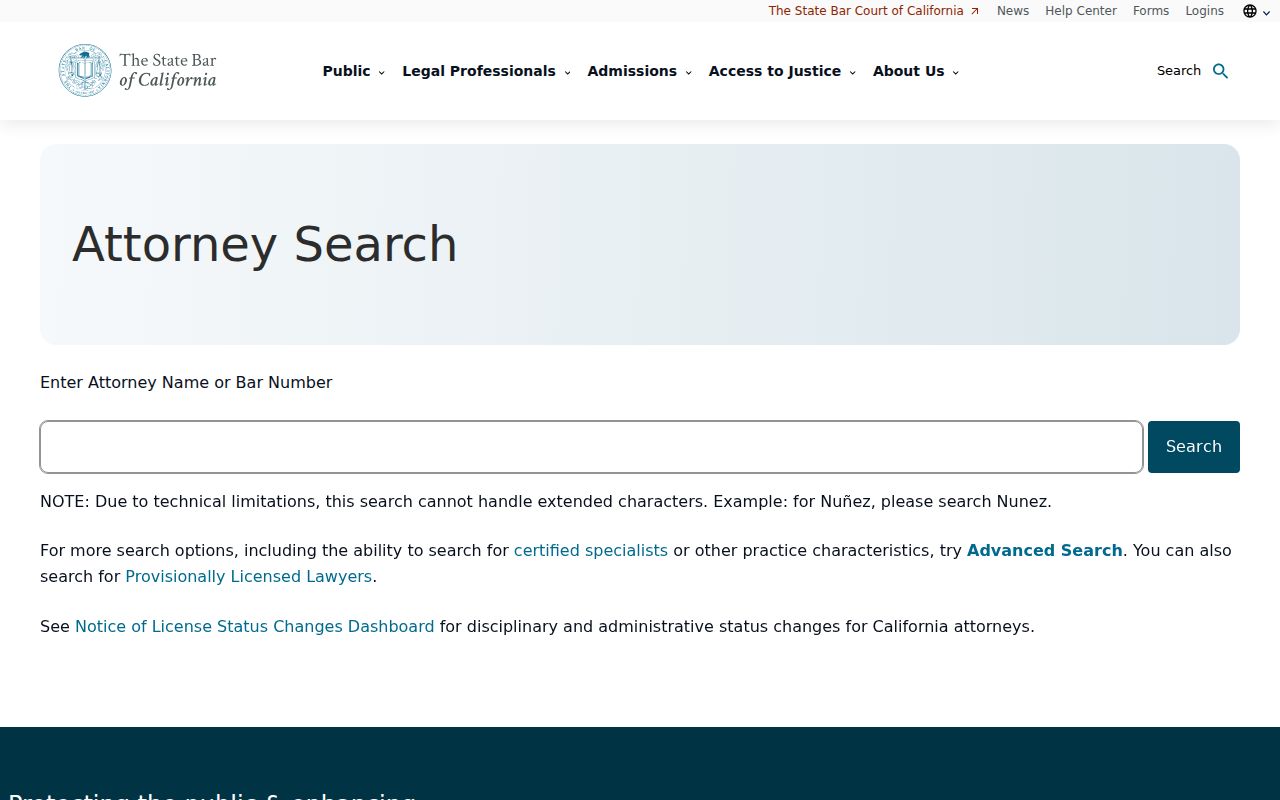
The State Bar attorney search is the primary board route for an attorney license record.
PACER's case-locator explanation shows the role of a federal search tool in a broader identity trail.
Legal Limits on an Encinitas Resident Lookup
California protects Safe at Home participants with a substitute mailing address and restricts certain home-address displays. The Driver's Privacy Protection Act closes DMV address data. Voter files and vital records have their own statutory limits. A correction request belongs with the assessor, recorder, court, licensing board, election office, or certificate custodian that holds the source.
Lawful personal use. Use a resident lookup for genealogy, family connection, estate work, public-record verification, and personal safety awareness. Do not use a name or address result to stalk, harass, intimidate, or harm another person. A resident lookup is a research aid, not a license to intrude.
When an online trail ends, call the named office, inspect a public counter or kiosk, send a precise records request, or ask a library or archive for its finding aid. A responsible search reports both what a record says and what it cannot say.